Tuesday, March 31, 2009

Everglades, Florida

Everglades, national forest rivers

The Everglades rivers are filled with wildlife such as: crocodiles, alligators, and tons of different species of fish.
The American Crocodile is an endangered species in America.

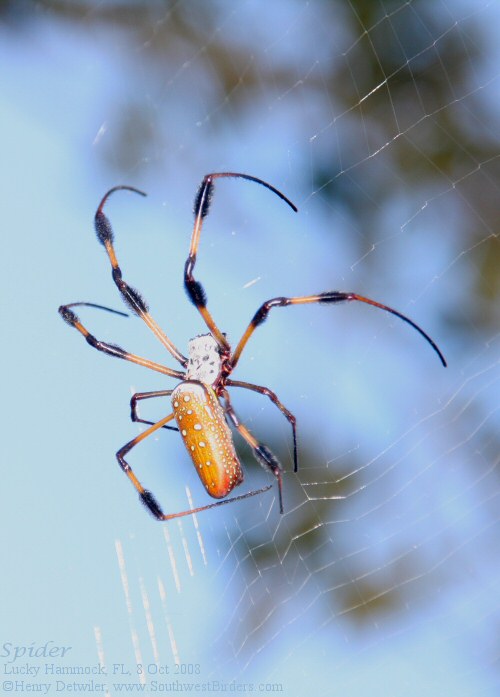
There is also insects such as spiders, Beatles, Ants, and other bugs.
Here is a spider that is in the everglades

The climate in the everglades could be good or bad. The everglades can get near freezing. The temperatures can range from high 53 to 77 degrees Fahrenheit. The average rainfall is 60 inches yearly.

The scientist that would go here are called biologists, biologists study different species of animals. For example: reptiles, amphibians, mammals, and other different animals.

Thursday, January 22, 2009

Earhtquake websearch

Question #1 Where do most earthquakes happen?

1. Most earthquakes happen when the plate tectonics collide together, by the pacific ocean and north America, they also occur near the Asian plate tectonic.

Question #2 Why do you think that is?
the plates that i listed (above) are major plates that collide together all the time. Sometimes they are massive earthquakes and sometimes you cant feel them.

Question#3 What is that area called?

The area is called the "Ring of Fire", and it is located in the Pacific Ocean.

Question #4 Where is the earthquake closest to Manitou Springs?

The closest earthquake to Manitou springs is in Denver and people in Manitou springs would not be able to feel it, also it would have to shake a lot more for it to be a magnitude 1. in a magnitude 1 there is more energy than the one in Denver

Question #5 Choose one earthquake that has happened in the past seven days. Research it, and tell me all about it. Are earthquakes common in this area? include one picture.

My earthquake that i am researching happened on the 15th of January 2009. It is East of the Kuril Islands,and this area doesn't have earthquakes often. The magnitude that it had was 8. Also it is 1110 miles from Japan.

question#6

Monday, December 8, 2008

Friday, December 5, 2008

Fronts

Cold Fronts:

Cold Fronts is when big fast moving cold air moves under the slow moving warm air. The reason why is cold air is more denser than warm air causing the cold air to sink. When the warm air rises than the air turns cooler causing water droplets from the cloud to drop. When there are cold fronts it changes weather so it could cause a hug thunderstorm and severe winds.

Warm Fronts:

Warm Fronts is when a slow moving warm air collides with a slow moving cold air. because the cold air i denser the warm air moves above the cold air. Clouds, Storms, and other precipitation is caused by warm fronts. If its a humid warm front then it would have light rain, Because the cold air is more denser than it could be more foggy or cloudy for a couple of days

Stationary Fronts:

In some cases the warm air and the cold air don't have enough force to go through each other. So they stay stationary. When the air meets it condenses the water vapor, and and the warm air into snow, rain or, fog. Sometimes it stays there for days.